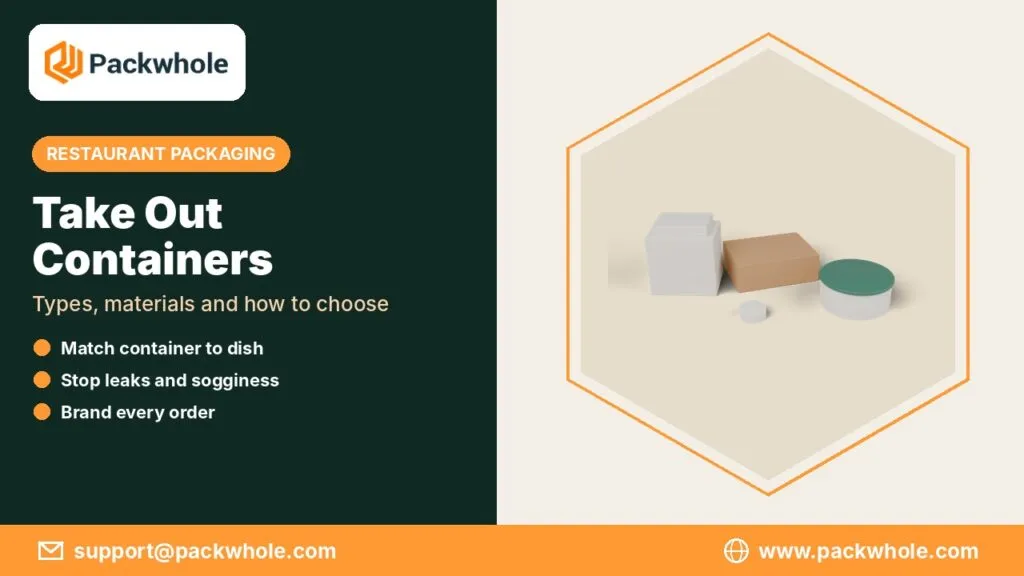
For many restaurants, takeout and delivery are now a major part of sales. The food may be cooked perfectly, but if it arrives soggy, cold or spilled, the customer remembers the packaging as much as the meal. Choosing the right take out containers protects food quality, controls costs and gives your brand a chance to shine when the bag is opened at home.
This guide compares common container types and materials, matches containers to dishes, covers leak and temperature tips and explains why local packaging rules matter.
Why Packaging Matters for Takeout
Takeout food travels. It sits in a bag, rides in a car and waits on a counter before anyone takes a bite. Containers must hold heat or cold, prevent leaks, stop steam from making food soggy and stack safely in delivery bags. The right packaging keeps food closer to how it tasted in the dining room, which protects reviews and repeat orders.
Common Types of Take Out Containers
Restaurants use a mix of formats depending on the menu. Each one has strengths for particular dishes.
| Container type | Best for |
|---|---|
| Folded paper takeout box | Noodles, rice dishes, stir-fries |
| Clamshell | Burgers, sandwiches, salads |
| Round bowls with lids | Soups, curries, grain bowls |
| Rectangular containers | Entrees, pasta, meal combos |
| Pizza and flat boxes | Pizza, flatbreads, pastries |
| Portion cups | Sauces and dressings |
Folded paperboard boxes, like the classic Chinese takeout box, are popular because they hold heat well and look iconic. Our custom Chinese takeout boxes and custom pizza boxes can be printed with your logo.
Comparing Materials
Material choice affects performance, price, appearance and what customers can do with the container afterward. Paperboard and molded fiber have become popular as many cities and states restrict foam and some plastics.
| Material | Strengths | Considerations |
|---|---|---|
| Coated paperboard | Prints well, holds moderate heat | Coating type affects recyclability |
| Molded fiber | Sturdy, natural look | Can soften with very wet food |
| Plastic (PP, PET) | Clear, leak-resistant, microwavable options | Local restrictions may apply |
| Aluminum | Holds heat, oven-safe | Higher cost per unit |
| Polystyrene foam | Cheap, insulating | Banned or restricted in many places |
Local Rules on Foam and Plastics
Several US states and many cities have restricted polystyrene foam food containers, and some regulate certain plastics or chemicals such as PFAS in food packaging. Rules differ by location and are updated regularly. Before ordering a large supply, check your state and city regulations or ask your local health department. Treat this as background only; it is not legal guidance, and the rules may have changed since this was written.
Matching Containers to Dishes
Think about each menu item’s moisture, temperature and shape. Crispy foods like fries and fried chicken need venting so steam can escape. Saucy dishes need tight-fitting lids. Salads need cold, clear containers so customers can see freshness. Soups need deep bowls with secure lids and possibly a sealing sticker.
- List your top takeout dishes.
- Note which ones are wet, crispy, hot or cold.
- Choose a container that suits each category.
- Test each dish by packing it and waiting 20 to 30 minutes.
Preventing Leaks and Sogginess
Leaks and soggy food are the most common takeout complaints. Venting helps crisp foods stay crunchy. Separating sauces into portion cups prevents dishes from getting soggy. Tamper-evident stickers seal bags and containers, which also reassures delivery customers that food has not been opened.
- Pack sauces separately whenever possible.
- Use vented lids for fried foods.
- Place heavy, liquid items upright and at the bottom of bags.
- Seal bags with a branded sticker for security.
Choosing the Right Sizes
Offering too many container sizes complicates storage and ordering, but too few can lead to wasted space or overfilled portions. Most restaurants settle on a small set: a small container for sides, a medium container for single entrees, a large container for family portions and a bowl or cup for soups. Standardizing sizes makes it easier for kitchen staff to portion consistently.
Branding Your Takeout Packaging
Takeout packaging is a moving billboard. A printed logo, your social account name or a scannable link to the menu reminds customers where the meal came from. Even plain containers can be branded with stickers or printed sleeves. Bags often carry the main branding, while boxes and lids add smaller touches. Our guide to takeout paper bag sizes helps you choose bags that fit your containers.
Cost Control Tips
Packaging costs add up quickly, especially for delivery-heavy restaurants. Ordering in larger quantities usually lowers unit costs. Reviewing which containers are used most and trimming unused sizes reduces waste. Asking customers whether they need utensils and napkins saves supplies too. Build packaging costs into menu pricing or delivery fees so they do not eat into margins.
Food Safety Basics
Containers that touch food should be made for food contact and kept clean and dry in storage. Hot foods should be packed quickly to hold temperature, and cold foods should stay chilled until pickup. Labels with dish names and allergen notes help customers, especially in shared orders. Follow your local health department’s guidance on food handling and labeling, since rules differ by location.
Making Unboxing Part of the Meal
When customers open take out containers at home, presentation still matters. Neatly arranged food, a thank-you sticker and a small printed card with a reorder discount can turn a single order into a loyal customer. Some restaurants include a menu card or loyalty card in every bag. Little details like these make takeout feel personal, even without a server at the table.
Planning Containers for Delivery Apps
Delivery apps add another layer of travel time and handling. Orders may sit at the counter waiting for a driver, then ride in an insulated bag with other restaurants’ food. Take out containers for delivery need tighter lids, stronger walls and better venting than those used for quick counter pickup. Tamper-evident seals are especially important, because customers want proof that nobody opened the food along the way.
Test your most popular delivery dishes by ordering them to your own address or a friend’s home. Note how long the trip takes and how the food looks and tastes on arrival. Small changes, such as switching to a vented lid or packing fries in a separate container, can make a big difference in reviews and repeat orders.
Storing and Organizing Containers
Good storage keeps containers clean and saves time during rush hours. Store containers in a dry area away from cooking splashes and heat. Keep the most-used sizes within easy reach of the packing station, with lids stacked next to their matching bases. A simple labeled shelf for each size stops staff from searching during busy periods. Rotate stock so older supplies are used first, and keep an eye on inventory to avoid running out of popular take out containers on a Friday night.
Talking to Customers About Packaging
Customers notice when a restaurant makes an effort with packaging. A short line on the menu or website explaining your container choices, such as using paper-based boxes where possible, helps people understand what to do with them after the meal. Simple disposal tips printed on a sticker or bag, like “Box is recyclable when clean,” are useful, provided they are accurate for most local programs. Listening to feedback from reviews and delivery comments also reveals which containers work and which ones cause problems, so you can keep improving the experience.
Branded Food Boxes for Your Menu
If you are planning printed takeout boxes for your restaurant or food truck, send us your menu items and current container sizes. We help pick the right structure, set up the artwork with no extra layout charge, send a proof for approval, accept small first runs and print on tight timelines. Contact support@packwhole.com, or ask for food box pricing through www.packwhole.com.