Packaging is no longer just a container for a product — it’s often the first physical touchpoint a customer has with a brand. Among the many packaging formats available today, tray and sleeve packaging has become a favorite for e-commerce brands, retailers, and manufacturers who want to combine sturdy protection with an elevated unboxing experience. This two-piece structure, consisting of a rigid inner tray and an outer sleeve that slides over it, offers a level of versatility and visual impact that many single-piece boxes simply can’t match.
Business owners across industries — from cosmetics and food to electronics and specialty retail — are turning to tray and sleeve boxes because they solve two problems at once: keeping products secure during handling and shipping, while presenting them in a way that feels premium and intentional. Whether you’re a startup preparing your first product launch or an established brand refreshing your packaging design, understanding how to design this format correctly can make a measurable difference in customer perception and product safety. This guide walks through the practical considerations that go into designing effective tray and sleeve packaging, from material selection to sustainability and common mistakes to avoid.
What Are Tray and Sleeve Boxes?
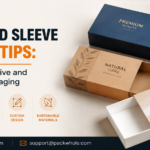
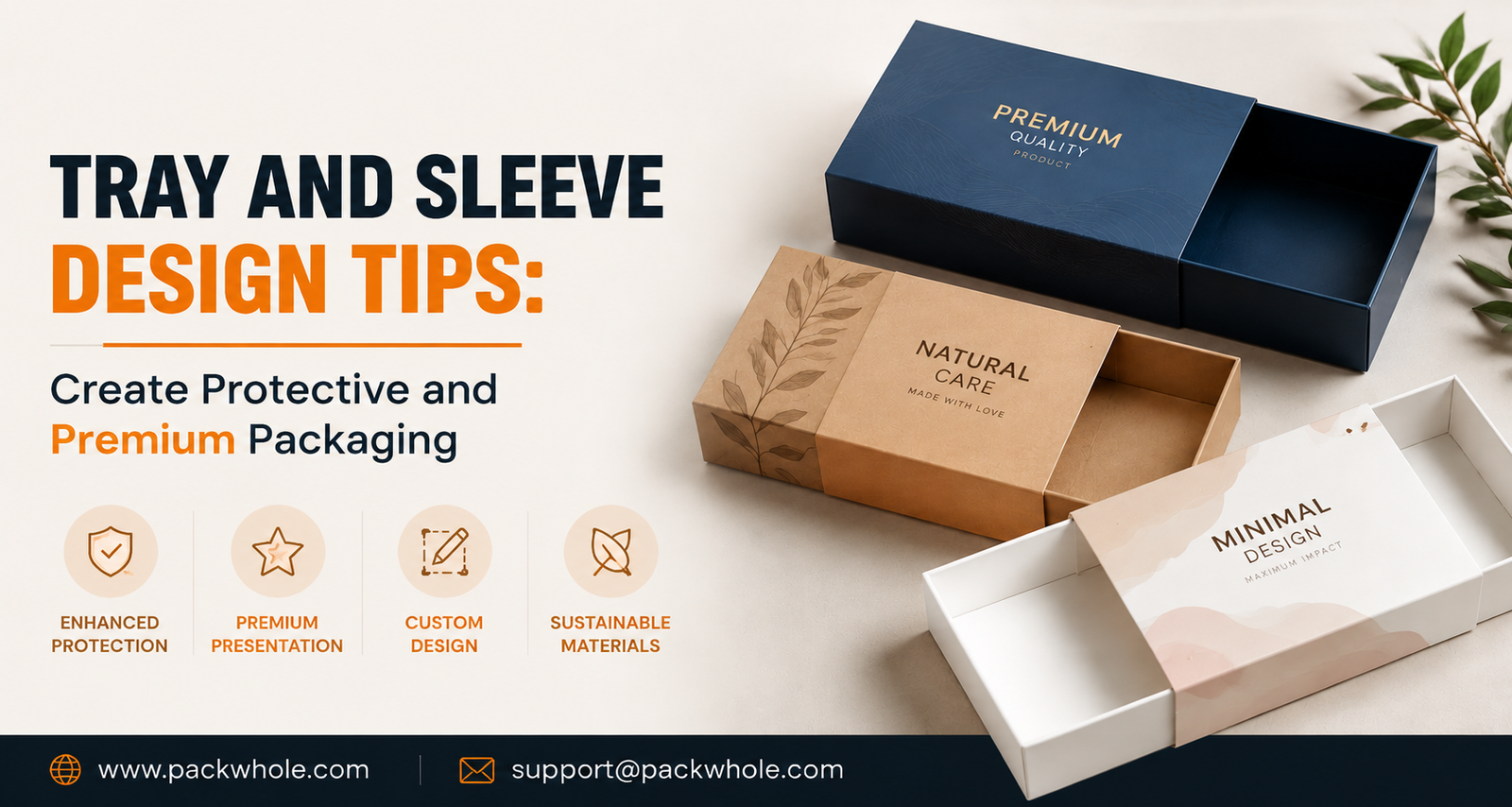
Tray and sleeve boxes are built from two separate components that work together. The tray is a rigid, often shallow base that holds the product securely in place, sometimes with molded compartments or a flat platform. The sleeve is an open-ended outer cover that slides over the tray, fully or partially enclosing it while leaving the tray visible from one or both ends.
This structure gives designers a lot of creative freedom. The sleeve typically carries the primary branding, product information, and decorative finishes, while the tray provides structural support and protection. Because the tray and sleeve function as two separate surfaces, brands can print distinct designs on each piece, creating visual depth that a standard folding carton doesn’t offer.
This format is common in cosmetics and skincare, gourmet food and confectionery, candles, electronics accessories, subscription boxes, and specialty retail items. It works particularly well for products that benefit from a “reveal” moment — sliding the sleeve off to expose the product sitting in its tray creates a small but meaningful moment of anticipation for the customer.
Choose the Right Tray Size and Structure
Accurate sizing is the foundation of good tray and sleeve packaging. A tray that’s too large allows the product to shift during transit, increasing the risk of damage and creating an underwhelming, half-empty appearance. A tray that’s too tight can make the product difficult to remove or cause pressure damage to delicate items.
When determining tray dimensions, measure the product at its widest points and account for any packaging elements that will sit inside the tray, such as tissue paper, protective film, or accessory items bundled with the main product. Structural strength matters just as much as size — the tray walls need to be tall and rigid enough to support the product’s weight without bowing or collapsing, especially if boxes will be stacked during storage or shipping.
Easy handling should also factor into the structural design. Trays with rounded corners, finger notches, or slightly recessed edges make it easier for customers to lift the product out without straining the packaging or damaging its contents. Getting these structural details right early in the design process prevents costly revisions later and ensures the finished custom tray and sleeve boxes perform well in real-world conditions.
Select Durable and Appropriate Materials
Material selection directly affects how well tray and sleeve packaging protects a product and how premium it feels in hand. Paperboard is the most common choice, with weight and thickness varying based on the product’s needs. Lightweight items like cosmetics or small accessories often work well with a mid-weight paperboard, while heavier or fragile products may require a thicker, more rigid board or a corrugated layer for additional strength.
Consider the full journey the packaging will take. Products shipped directly to consumers face more handling stress than items sold exclusively in retail stores, so shipping requirements should inform material thickness and tray rigidity. Fragile or high-value items may benefit from a sturdier board combined with internal cushioning, while retail-only products might prioritize a smoother, print-friendly finish for shelf appeal.
The desired appearance also plays a role. A matte or textured paperboard can convey a natural, upscale feel, while a coated, glossy stock often reads as sleek and modern. Choosing materials that align with both the product’s physical needs and the brand’s visual identity results in packaging that performs well and looks intentional.
Design the Sleeve for Strong Brand Visibility
The sleeve is prime real estate for branded packaging. Since it’s the first surface customers see, it should clearly communicate who the brand is and what the product offers. Logo placement, color palette, and typography all need to work together to create a cohesive first impression.
Strong sleeve design typically balances a clean, recognizable logo with essential product information — name, key features, or usage instructions — without overcrowding the surface. Patterns, textures, or brand-specific graphic elements can reinforce recognition, especially for brands building a consistent look across a product line.
Finishing techniques add another layer of impact. Foil stamping, embossing, spot UV coating, or soft-touch laminate can elevate a simple design into something that feels considerably more upscale. These finishes are particularly effective on sleeves because the sliding motion of removing the sleeve naturally draws attention to textural details, making the unboxing moment feel more tactile and deliberate.
Balance Protection With Premium Appearance
One of the biggest challenges in packaging design is achieving genuine protective packaging without sacrificing visual appeal. The good news is that with tray and sleeve packaging, protection and presentation aren’t competing goals — they can reinforce each other when designed thoughtfully.
Structural protection comes from the tray’s rigidity, wall height, and any internal supports, while the sleeve adds a secondary layer of coverage and reinforcement. Rather than treating protective elements as purely functional, consider how they can also contribute to the visual experience. A well-fitted tray that cradles the product precisely doesn’t just prevent movement — it also makes the product look deliberately showcased, similar to how a jewelry box presents its contents.
The key is avoiding the assumption that protection requires bulk or that premium design requires flimsiness. Thoughtful engineering allows a tray to be both slim and strong, and a sleeve to be both decorative and functionally reinforcing.
Use Colors, Typography, and Graphics Strategically
Visual elements do more than decorate — they shape how customers perceive quality, price point, and brand personality before they even touch the product. Color choices should align with the brand’s existing identity and the emotional response the product is meant to evoke. Muted, earthy tones often suggest natural or artisanal qualities, while bold, saturated colors can convey energy and modernity.
Typography deserves equal attention. Clean, well-spaced fonts generally read as more premium than cramped or overly decorative typefaces, particularly on smaller sleeve surfaces where legibility matters. Consistency across a product line — using the same font family, color system, and layout logic — helps customers recognize the brand at a glance, which is especially valuable for retail packaging competing for attention on crowded shelves.
Graphics and imagery should support the product story without overwhelming the design. A single well-placed illustration or icon often communicates more effectively than dense visual clutter, keeping the overall packaging design intentional and easy to read.
Consider Inserts for Extra Product Protection
For products that are fragile, multi-piece, or particularly valuable, inserts add a meaningful layer of protective product packaging beyond what the tray alone provides. Custom-molded inserts, foam cushioning, cardboard dividers, or fitted compartments keep individual components separated and stable, preventing them from shifting or colliding during transit.
Inserts also enhance presentation. A tray with dedicated compartments for each item creates an organized, curated appearance — useful for gift sets, multi-item kits, or subscription boxes where several products ship together. Even for single-item packaging, a shaped insert that cradles the product precisely gives the impression of custom engineering, reinforcing the sense that the packaging was designed specifically around that product rather than adapted from a generic box.
Make the Packaging Easy to Open and Handle
No matter how attractive the design, packaging that’s frustrating to open undermines the customer experience. Sleeves should slide smoothly off the tray without excessive resistance, and trays should allow products to be lifted out without awkward maneuvering.
Consider adding small design details that improve usability: a finger notch on the tray, a slightly recessed sleeve edge for easier gripping, or a snug — but not overly tight — fit between the two pieces. Durability matters here too, since sleeves that tear or trays that crush under moderate handling reflect poorly on perceived quality, even if the underlying product is excellent.
User experience testing, even informal testing with sample units, can reveal friction points that aren’t obvious on paper. Taking the time to refine how the packaging physically opens and closes pays off in customer satisfaction and repeat impressions.
Choose Sustainable Packaging Materials
Sustainability has moved from a nice-to-have to an expectation for many consumers, and tray and sleeve packaging is well suited to eco-conscious design. Recyclable paperboard, minimal use of plastic laminates, and soy- or water-based inks all contribute to a more responsible packaging footprint without requiring a complete redesign.
Efficient structural design also supports sustainability goals. A tray and sleeve sized precisely to the product reduces excess material use and minimizes wasted space during shipping, which can also lower shipping costs and carbon impact. Avoiding unnecessary layers, coatings, or add-ons keeps the packaging both leaner and easier to recycle.
Choosing sustainable packaging doesn’t mean compromising on appearance. Uncoated, natural-finish paperboards paired with clean typography and restrained color palettes have become a recognizable aesthetic in their own right, often signaling authenticity and environmental responsibility to today’s shoppers.
Common Tray and Sleeve Packaging Design Mistakes to Avoid
Even well-intentioned packaging projects can run into avoidable problems. Incorrect sizing — trays that are too loose or too tight — remains one of the most frequent issues, leading to either product movement or difficulty removing items. Weak or undersized materials that can’t support the product’s weight often result in crushed corners or collapsed trays during shipping.
On the design side, excessive printing or cluttered graphics can dilute branding rather than strengthen it, while inconsistent colors or typography across a product line weaken brand recognition. Packaging that’s difficult to open, whether due to a sleeve that fits too tightly or a tray without adequate finger access, creates unnecessary friction for the end user.
Inadequate protection is another common pitfall, particularly when brands prioritize appearance over structural testing. Finally, adding unnecessary components — extra inserts, oversized sleeves, or excessive layers that don’t serve a functional purpose — increases costs and material waste without improving the customer experience.
How Custom Tray and Sleeve Packaging Strengthens Brand Identity
Custom packaging does more than hold a product; it shapes how customers remember a brand. A well-designed tray and sleeve creates a memorable unboxing experience that customers are often inclined to share, whether through word of mouth or on social media, extending the brand’s reach beyond the initial purchase.
This packaging style also influences perceived product value. A snugly fitted tray, a sleeve with thoughtful finishing touches, and cohesive branding all signal that care went into the product — often justifying a higher price point in the customer’s mind. In competitive categories, distinctive custom printed packaging can be the deciding factor that sets one brand apart from another offering a similar product.
Over time, consistent, high-quality packaging becomes part of a brand’s visual signature, reinforcing recognition and trust with every repeat purchase.
Final Thoughts
Designing effective tray and sleeve packaging comes down to balancing structural performance with visual intention. Accurate sizing, appropriate materials, thoughtful inserts, and a design that reflects the brand’s identity all contribute to packaging that protects products and elevates how customers perceive them. Sustainability and ease of use further round out a packaging strategy built for long-term brand success.
Businesses that treat packaging design as a core part of their product experience — rather than an afterthought — tend to see the benefits in customer satisfaction, brand recognition, and repeat business. Prioritizing both protection and presentation isn’t a trade-off; with the right approach, tray and sleeve packaging delivers both.
Create Custom Tray and Sleeve Packaging With Packwhole
Ready to bring your product packaging to life? Packwhole specializes in custom packaging solutions built around your specific needs — from precise tray dimensions and durable materials to branded sleeve designs and finishing touches that reflect your brand’s identity. Whether you’re launching a new product or refining existing custom packaging boxes, the Packwhole team can help you design tray and sleeve packaging that protects your products while making a lasting impression on your customers.
Get in touch to discuss your packaging project, share your product specifications, and explore printing and design options tailored to your goals. Visit www.packwhole.com or reach out directly at support@packwhole.com to request a custom packaging solution and take the next step toward packaging that works as hard as your product does.