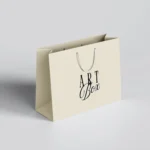

Paper bags are an irreplaceable element of everyday life; shipping groceries, carrying drinks, wrapping presents, even wrapping sensitive electronics. However, the question that never comes to the mind of most people is: Where are paper bags? The response is even more surprising, as it cuts across forests and factories, and advanced supply chains, which are the mainstay of modern business and consumerism. In this guide, we will hand you through the whole process of a paper bag beginning with the raw timber that grows in a forest to the final, custom-made product that is delivered to your doorstep. A small retailer seeking to select the right packaging, a designer seeking to know how it is printed, or a sustainability advocate seeking to know how well it is environmentally friendly, this article will provide you with an in depth, SEO-friendly process that includes each key step.
The Journey Begins: From Forest to Paper Bag
A paper bag begins with the forest. Just a few miles near the factory floor, trees are selected, harvested and taken to mills where they are taken through a transformation process. The forest furnishes the raw material, the wood pulp, and the mills process this into an all-purpose medium which can be shaped, printed and transported. This is the initial phase that determines the whole supply chain, and it affects each aspect of it, including cost and carbon footprint.
Step 1: Wood harvesting and making of Raw Materials
The initial process in the paper bag production cycle is the one that entails the procurement of the key building block, wood fibers. Timber comes out of sustainably operated forests and is sometimes certified by an organization like FSC (Forest Stewardship Council) or PEFC (Programme for the Endorsement of Forest Certification). The final strength of the bag, its appearance, and environmental friendliness depend on the species chosen such as softwoods like pine, or hardwoods like birch.
Logistics are cut and then go through a pre-process of stages. They are unloaded, broken and sifted in order to get impurities out. This is the most important stage due to the fact that any contamination will affect the quality of the pulp, as well as, the durability of the bag. The chips are stored or sent to the pulping factory at once, and this is the transition point between the raw logs and the stickiness of pulp that can be shaped into paper.
Step 2: Turning Wood Into Pulp
The core of paper making is pulping. Mechanical pulping involves the grinding of wood chips into small fibers whereas chemical pulping involves the use of chemicals such as sodium hydroxide or sulfate to dissolve the lignin that holds the fibers incorporated. A mechanical or chemical pulp choice is determined by the required paper properties: mechanical pulp results in a higher strength, but less bright, paper whereas chemical pulp is brighter and more moisture resistant, making it a better choice in packaging.
In the process of pulping, the slurry with high water content is mixed with chemicals to help dissolve lignin. Dewatered pulp is washed, and bleached when a high quality, white paper is needed. The pulp forms the foundation of all paper products and even paper bags and the quality of pulp directly influences the weight, texture and printability of a final bag.
Step 3: The Paper Making Process
The paper-making process includes several steps starting with pulp and transforming it into a continuous sheet in a flat form. The slurry is deposited in a moving wire mesh and the water drains away leaving behind a mat of fibers. Felt down and dried, to form a semi-finished sheet of paper.
Winding, trimming and quality check are then done on the paper. Thickness, moisture content and surface smoothness are parameters measured. The sheet can be further processed (sized to enhance printability or coated to enhance gloss) depending on the application. With paper bags, an exact compromise between strength and flexibility is reached in such a way that the end product is able to withstand its burden without ripping.
Step 4: Making Paper into Bags Cutting, Folding and Sealing
After the paper sheet has been cut to the wanted specifications, it is cut into pre-patterned blanks. On each of the blanks is the shape of the bag, the flap and handles and the seam lines. These blanks are subsequently folded, glued, or heat- sealed into the three dimension arrangement of the bag.
Folding and Gluing: This has been done traditionally where adhesive is used to fasten the sides together making a stable frame.
Heat-Sealing Modern high-speed machines using heat to melt the paper along seam lines create a watertight seal that is durable and does not harm the environment.
The shape of the bag; a plain grocery bag or a high quality and more impactful packaging box will dictate the engineering behind every fold, seam and handle. To maintain uniformity, even when customizing the shape or size of a specific brand, Packwhole manufacturing partners use the latest equipment to produce high-quality products.
Step 5: Printing Your Bags: Customizing and Branding
Custom paper bags are not only bags but a canvas on which to brand, market and tell stories. The Printing of Cardboard Bags- be it spot UV, digital, or offset- imprint bright colors, high-resolution graphics, and even special finishes that increase the perceived value of a product.
The printing process starts with a design file, in a vector format that guarantees crisp lines and correct colors. Digital printing can be used to produce short runs and a fast turnaround, whereas offset printing can be used to print large quantities at a time when cost per unit is important. The bags may be printed and then had a further protective coating to increase durability and print life.
The natural development of designing paper bags, Custom packaging Boxes may have collapsible or stackable designs that decrease shipping volume and cost. The same high-resolution graphics can be used to print these boxes and keep the visual identity of the brand the same at all levels of the packaging.